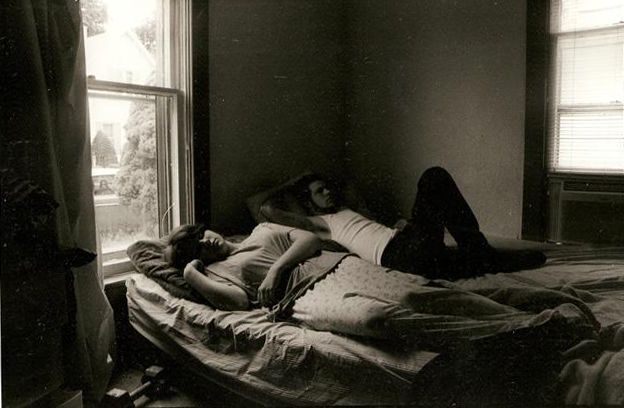
When her mother is murdered by her father, Julie Ann Mabry is confronted by a life of hardship and poverty. Taken in by her Evangelical relatives, she begins to adopt new convictions in an effort to reconnect with her mother. Slowly, the threads of her new life begin to unravel and Julie Ann is sent to prison. It is there she finds the freedom and community she had sought so long, yet it does not come without a price.
Katie Madonna Lee spent five years researching for the script, interviewing women in homeless shelters and prisons. She shot the film in South Bend, Indiana, a city tainted with poverty and hostility. She molded non-actors into actors, knowing that they would bring their experiences and presence to the characters. However, while shooting "Woman's Prison", too often the world of the film and reality blurred. Actresses would not show up to set because their boyfriends "did not want them to do it anymore." Stage mothers were in physically abusive relationships with men who bullied them. And the filmmakers were naive to think that they would be spared this degrading treatment. Actors and townies harassed the female members of crew and treated them just as Butch Yoder treats Julie Ann Mabry. To Katie Madonna's disappointment, "Woman's Prison" would not be a self contained project.